Services
Reflexology · Medical Leech Therapy
Two traditional and complementary practices. Both begin with a consultation, are planned individually and are carried out only in hygienic conditions.
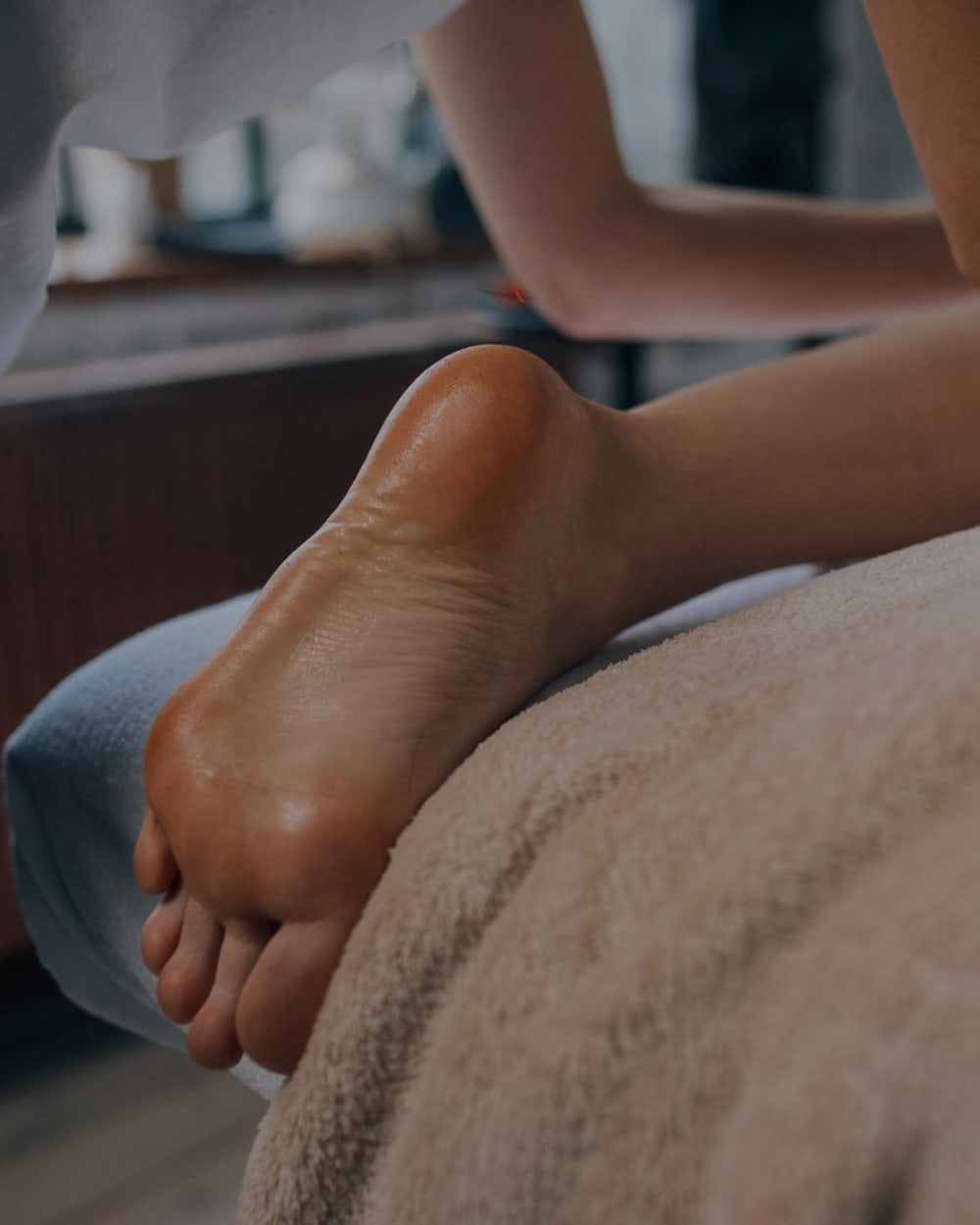
The sole as a map of the body
Reflexology
- Lower back and hip zone
- Spine line
- Digestive zone
- Chest and respiratory zone
- Head and neck zone
From the feet to the body
Reflexology
Reflexology reads the sole of the foot as a map of the body: each area corresponds to an organ or a system. The practitioner applies pressure to these points with the thumb and fingers in a set sequence. The aim is relaxation, support for circulation and a better awareness of one's own body.
Yavuz Dinler approaches reflexology as a specialist physiotherapist, as a practice built on anatomical knowledge. Sensitive points on the foot are assessed together with the person's complaint; each session builds on the observations of the previous one.
His book on the subject, Refleksoloji, has been approved and recommended by the International Council of Reflexologists (ICR) and Reflexology in Europe Network (RiEN).
What the practice aims to support
- Deep relaxation and a lighter stress load
- Support for circulation in the feet and legs
- Less muscle tension, a feeling of lightness in the feet
- Support for sleep rhythm and the quality of rest
- Greater awareness of one's own body
- A contribution to general wellbeing with regular sessions
These points reflect traditional practice experience; they are not a diagnosis or a promise of treatment.
How a session goes
Step 1
Consultation
Your complaint, health history and current medication are discussed. Whether the practice suits you is decided together.
Step 2
Assessment
The feet are examined by sight and touch; sensitive areas and tender points are identified.
Step 3
Session
In a comfortable chair, with bare feet, pressure is applied for roughly 40 to 50 minutes. Pain is not the goal; if anything is uncomfortable, simply say so.
Step 4
Afterwards
Drinking plenty of water and avoiding heavy physical strain that day is recommended. Session frequency is planned individually.
Who it is for
- People who need to unwind after a demanding, stressful routine
- Those who stand for long hours and feel tired in the feet and legs
- Anyone looking for a regular relaxation and body-awareness routine
Please note
- In pregnancy, open wounds or infection on the foot, advanced vascular disease and clotting disorders the practice is not carried out, or a physician's approval is requested.
- Reflexology is a complementary practice; it does not replace a physician's examination or medical treatment.
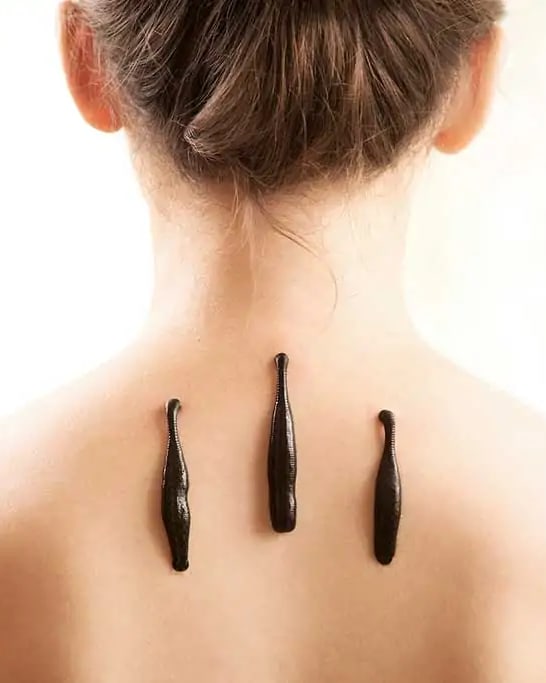
Hirudotherapy
Medical Leech Therapy
Hirudotherapy makes use of the substances the medical leech secretes as it attaches to the skin. Known for centuries, the method has been practised in Turkey since 2007 with the permission of the Ministry of Health, within the scope of complementary medicine. Single-use leeches bred for medical purposes and a sterile setting are essential for a safe application.
Yavuz Dinler first encountered the method in 1994, trained in Russia and did his internship and practice in Germany. The principle he stresses in his book Hirudoterapi holds in his practice: leech therapy is done neither at home, nor at a lakeside, nor in a non-sterile setting, but only by an expert and in hygienic conditions.
Each leech is used on one person, once, and is disposed of as medical waste afterwards. Application points are chosen according to the person's complaint.
What the practice aims to support
- Support for local circulation at the application site
- Use of the natural compounds in the leech's secretion
- Relief of regional swelling and tightness
- A feeling of ease around muscles and joints
- Complementary support alongside a physician's treatment
- Safe application with single-use leeches and a sterile setting
These points reflect traditional practice experience; they are not a diagnosis or a promise of treatment.
How a session goes
Step 1
Consultation
Your health history, your medication including blood thinners, and any allergies are asked about. If needed, you are asked to consult your physician.
Step 2
Preparation
The application area is cleaned with unscented soap. Creams, perfume and lotion must not have been used, as they prevent the leech from attaching.
Step 3
Application
Leeches are placed on the chosen points and left until they detach on their own, usually 30 to 60 minutes. A leech is never pulled off by force.
Step 4
Afterwards
Some oozing from the application point for a while is expected; the area is covered with a sterile dressing and care instructions are given.
Who it is for
- People whose physician has suggested or approved a complementary practice
- Those who wish to experience the traditional method in safe, hygienic conditions
Please note
- The practice is not carried out in cases of bleeding disorders, blood-thinner use, severe anaemia, immune deficiency, pregnancy or known allergy.
- Hirudotherapy is a complementary practice; diagnosis and treatment are the physician's domain, and this practice does not replace them.
Appointments
Call or write to arrange a visit
Sıhhiye, Ankara · a short consultation precedes the first session.